



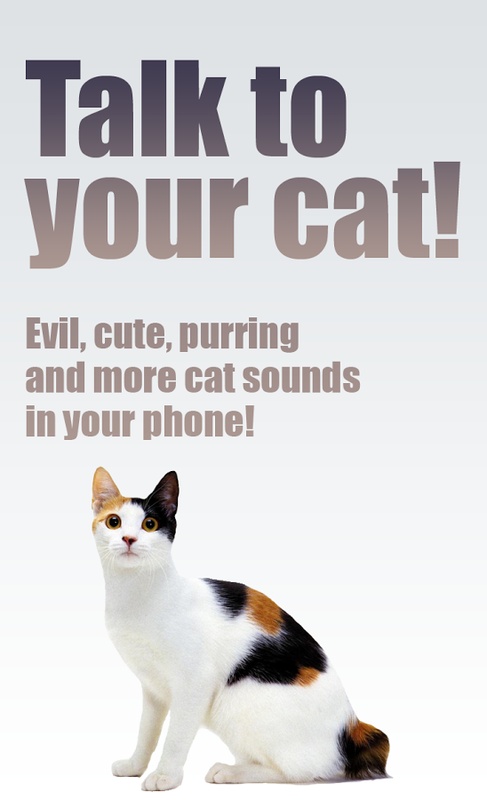
Discover the engaging 'Cat Sounds' application, your go-to source for an extensive array of authentic animal noises. With just a tap, you can experience the lifelike sounds of cats, dogs, birds, and a multitude of other creatures, from the mighty roar of a lion to the gentle bleat of a goat. This app is perfect for educational purposes, entertainment, or simply to soothe curiosity about the animal kingdom. Its top features include high-quality audio samples from a diverse range of species, ensuring a rich and immersive sound experience.
Listeners will find the app particularly useful for identifying various animal calls, enhancing their understanding of nature's diverse vocalizations. It's ideal for individuals who enjoy exploring wildlife audibly and for parents looking to teach their children about different animals. The audio quality within the platform ensures that each animal's sound is crisp, clear, and true to life.
Cat Sounds: A Comprehensive Guide
Cats, with their enigmatic nature and expressive vocalizations, have captivated humans for centuries. Understanding their diverse range of sounds provides invaluable insights into their communication and emotional states.
Purring
The iconic purr, a gentle, low-frequency vibration, is a multifaceted vocalization. While often associated with contentment, it can also express a range of emotions, including anxiety, stress, or pain. The vibration is believed to have therapeutic effects, promoting relaxation and healing.
Meowing
Meowing, a high-pitched, drawn-out vocalization, is primarily used by kittens to attract their mother's attention. As adults, cats meow to communicate with humans, often to express hunger, affection, or distress. The pitch and tone of the meow can vary depending on the cat's mood and urgency.
Chirping
Chirping, a short, high-pitched sound, is typically associated with excitement or anticipation. Cats may chirp when they spot prey or encounter something new and intriguing. It is often a playful vocalization, inviting interaction.
Trilling
Trilling, a series of rapid, high-pitched sounds, is often a sign of intense emotion, either positive or negative. Cats may trill when greeting a beloved human or expressing frustration or aggression.
Hissing
Hissing, a sharp, forceful exhalation, is an unmistakable warning signal. Cats hiss to deter perceived threats, such as other animals or strangers. The sound is accompanied by an arched back, dilated pupils, and flattened ears.
Growling
Growling, a low, guttural sound, is a more aggressive vocalization than hissing. It is typically used to intimidate or threaten, and may be accompanied by bared teeth and a defensive posture.
Chattering
Chattering, a rapid succession of short, clicking sounds, is often observed when cats are watching prey or engaging in play. The exact reason for chattering is not fully understood, but it may be related to a desire to imitate the sound of a bird or rodent.
Howling
Howling, a long, drawn-out vocalization, is typically associated with distress or loneliness. Cats may howl when separated from their owner or in response to unfamiliar or frightening situations.
Body Language
In addition to vocalizations, cats communicate through body language. Tail movements, ear positions, and facial expressions all convey important messages. Understanding these nonverbal cues can enhance communication and strengthen the bond between humans and cats.
Conclusion
The diverse range of cat sounds provides a rich tapestry of communication, expressing a wide spectrum of emotions and intentions. By deciphering these vocalizations and observing body language, humans can gain valuable insights into the inner world of their feline companions.
Discover the engaging 'Cat Sounds' application, your go-to source for an extensive array of authentic animal noises. With just a tap, you can experience the lifelike sounds of cats, dogs, birds, and a multitude of other creatures, from the mighty roar of a lion to the gentle bleat of a goat. This app is perfect for educational purposes, entertainment, or simply to soothe curiosity about the animal kingdom. Its top features include high-quality audio samples from a diverse range of species, ensuring a rich and immersive sound experience.
Listeners will find the app particularly useful for identifying various animal calls, enhancing their understanding of nature's diverse vocalizations. It's ideal for individuals who enjoy exploring wildlife audibly and for parents looking to teach their children about different animals. The audio quality within the platform ensures that each animal's sound is crisp, clear, and true to life.
Cat Sounds: A Comprehensive Guide
Cats, with their enigmatic nature and expressive vocalizations, have captivated humans for centuries. Understanding their diverse range of sounds provides invaluable insights into their communication and emotional states.
Purring
The iconic purr, a gentle, low-frequency vibration, is a multifaceted vocalization. While often associated with contentment, it can also express a range of emotions, including anxiety, stress, or pain. The vibration is believed to have therapeutic effects, promoting relaxation and healing.
Meowing
Meowing, a high-pitched, drawn-out vocalization, is primarily used by kittens to attract their mother's attention. As adults, cats meow to communicate with humans, often to express hunger, affection, or distress. The pitch and tone of the meow can vary depending on the cat's mood and urgency.
Chirping
Chirping, a short, high-pitched sound, is typically associated with excitement or anticipation. Cats may chirp when they spot prey or encounter something new and intriguing. It is often a playful vocalization, inviting interaction.
Trilling
Trilling, a series of rapid, high-pitched sounds, is often a sign of intense emotion, either positive or negative. Cats may trill when greeting a beloved human or expressing frustration or aggression.
Hissing
Hissing, a sharp, forceful exhalation, is an unmistakable warning signal. Cats hiss to deter perceived threats, such as other animals or strangers. The sound is accompanied by an arched back, dilated pupils, and flattened ears.
Growling
Growling, a low, guttural sound, is a more aggressive vocalization than hissing. It is typically used to intimidate or threaten, and may be accompanied by bared teeth and a defensive posture.
Chattering
Chattering, a rapid succession of short, clicking sounds, is often observed when cats are watching prey or engaging in play. The exact reason for chattering is not fully understood, but it may be related to a desire to imitate the sound of a bird or rodent.
Howling
Howling, a long, drawn-out vocalization, is typically associated with distress or loneliness. Cats may howl when separated from their owner or in response to unfamiliar or frightening situations.
Body Language
In addition to vocalizations, cats communicate through body language. Tail movements, ear positions, and facial expressions all convey important messages. Understanding these nonverbal cues can enhance communication and strengthen the bond between humans and cats.
Conclusion
The diverse range of cat sounds provides a rich tapestry of communication, expressing a wide spectrum of emotions and intentions. By deciphering these vocalizations and observing body language, humans can gain valuable insights into the inner world of their feline companions.