

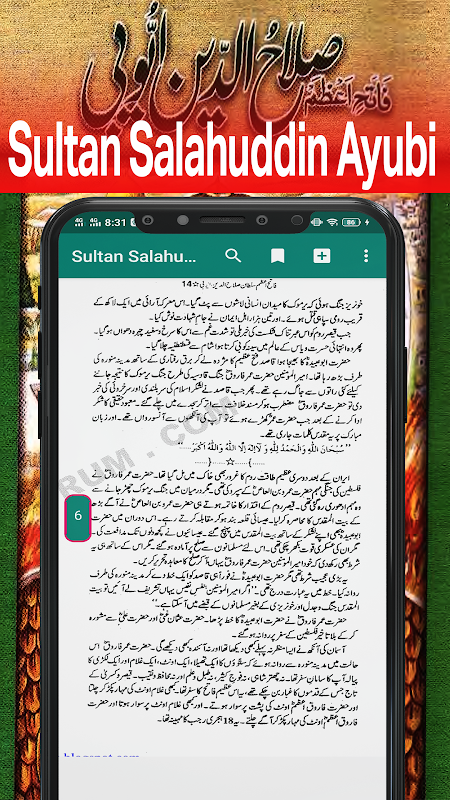
Sultan Salahuddin Ayubi — The Great Warrior Of Islam
At the height of his power, his sultanate included Egypt, Syria, Upper Mesopotamia, the Hejaz, Yemen and other parts of North Africa.
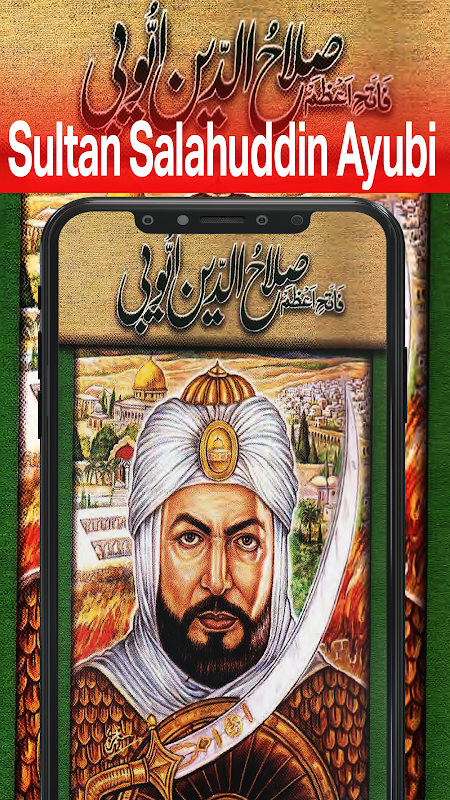
This is the historical story of famous muslim commander Sultan Salahuddin Ayubi. He was a true muslim and a great conqueror.
An-Nasir Salah ad-Din Yusuf ibn Ayyub (Arabic: صلاح الدين يوسف بن أيوب / ALA-LC: Ṣalāḥ ad-Dīn Yūsuf ibn Ayyūb; Kurdish: سەلاحەدینی ئەییووبی / ALA-LC: Selahedînê Eyûbî), known as Salah ad-Din or Saladin (/ˈsælədɪn/; 1137 – 4 March 1193), was the first sultan of Egypt and Syria and the founder of the Ayyubid dynasty. A Sunni Muslim of Kurdish ethnicity. Saladin led the Muslim military campaign against the Crusader states in the Levant. During his reign, Saladin has been described as the de facto Caliph of Islam[8][9] and at the height of his power, his caliphate included Egypt, Syria, Upper Mesopotamia, the Hejaz, Yemen and other parts of North Africa.
He was originally sent to Fatimid Egypt in 1164 alongside his uncle Shirkuh, a general of the Zengid army, on the orders of their lord Nur ad-Din to help restore Shawar as vizier of the teenage Fatimid caliph al-Adid. A power struggle ensued between Shirkuh and Shawar after the latter was reinstated. Saladin, meanwhile, climbed the ranks of the Fatimid government by virtue of his military successes against Crusader assaults against its territory and his personal closeness to al-Adid. After Shawar was assassinated and Shirkuh died in 1169, al-Adid appointed Saladin vizier, a rare nomination of a Sunni Muslim to such an important position in the Isma'ili Shia caliphate. During his tenure as vizier, Saladin began to undermine the Fatimid establishment and, following al-Adid's death in 1171, he abolished the Fatimid Caliphate and realigned the country's allegiance with the Sunni, Baghdad-based Abbasid Caliphate.
In the following years, he led forays against the Crusaders in Palestine, commissioned the successful conquest of Yemen, and staved off pro-Fatimid rebellions in Upper Egypt. Not long after Nur ad-Din's death in 1174, Saladin launched his conquest of Syria, peacefully entering Damascus at the request of its governor. By mid-1175, Saladin had conquered Hama and Homs, inviting the animosity of other Zengid lords, the official rulers of Syria's various regions. Soon after, he defeated the Zengid army at the Battle of the Horns of Hama and was thereafter proclaimed the "Sultan of Egypt and Syria" by the Abbasid caliph al-Mustadi. Saladin made further conquests in northern Syria and Jazira, escaping two attempts on his life by Assassins, before returning to Egypt in 1177 to address issues there. By 1182, Saladin had completed the conquest of Muslim Syria after capturing Aleppo, but ultimately failed to take over the Zengid stronghold of Mosul.
Under Saladin's command, the Ayyubid army defeated the Crusaders at the decisive Battle of Hattin in 1187, and thereafter wrested control of Palestine—including the city of Jerusalem—from the Crusaders, who had conquered the area 88 years earlier. Although the Crusader Kingdom of Jerusalem continued to exist until the late 13th century, its defeat at Hattin marked a turning point in its conflict with the Muslim powers of the region. Saladin died in Damascus in 1193, having given away much of his personal wealth to his subjects. He is buried in a mausoleum adjacent to the Umayyad Mosque. Saladin has become a prominent figure in Muslim, Arab, Turkish and Kurdish culture, and he has often been described as being the most famous Kurd in history.
Keep share it and rate us.
Content
Sultan Salahuddin Ayubi Urdu is a strategy game centered around the life and conquests of the renowned Muslim leader, Salahuddin Al-Ayyubi, also known as Saladin. The game immerses players in the historical context of the 12th century, challenging them to navigate complex political landscapes, manage resources, and command armies in real-time battles. Players assume the role of Saladin, starting from his early military career under his uncle Nur ad-Din Zengi, and progress through key historical events, including the conquest of Egypt, the unification of Muslim forces, and ultimately, the liberation of Jerusalem from Crusader control.
The game meticulously recreates the historical setting, featuring accurately depicted cities, landmarks, and units from the era. Players can construct and upgrade various structures within their cities, including mosques, barracks, markets, and libraries, to bolster their economy, train troops, and advance technological research. Resource management is crucial, requiring players to balance income and expenditure to maintain a strong military and a thriving populace. Resources include gold, food, wood, and iron, each playing a vital role in the development and expansion of the empire.
Military campaigns form the core of the gameplay. Players command diverse units, including infantry, cavalry, archers, and siege weapons, each with unique strengths and weaknesses. Tactical prowess is essential for victory, demanding players to carefully position their troops, exploit terrain advantages, and utilize effective formations. The game features both land and naval battles, adding another layer of strategic depth. Players must master both forms of warfare to achieve complete dominance.
Diplomacy plays a significant role, allowing players to forge alliances, negotiate treaties, and engage in espionage. Navigating the complex web of political relationships is crucial for success. Players must carefully choose their allies and rivals, as diplomatic decisions can have far-reaching consequences. Betrayal and intrigue are ever-present threats, requiring players to remain vigilant and adaptable.
The game's campaign mode follows the historical trajectory of Saladin's life, presenting a series of challenging missions that require strategic thinking and tactical execution. Players must overcome numerous obstacles, including internal conflicts, external threats, and resource scarcity, to achieve their objectives. Each mission presents unique challenges, forcing players to adapt their strategies and utilize different approaches.
Beyond the campaign mode, the game also offers a sandbox mode, allowing players to freely explore the game world and create their own scenarios. This mode provides a platform for experimentation and creativity, allowing players to test different strategies and experience alternative historical outcomes. Players can customize their starting conditions, set their own objectives, and shape the course of history.
The game's Urdu localization enhances its accessibility and cultural relevance for Urdu-speaking players. The accurate translation of historical terms, character names, and dialogue immerses players in the historical narrative. This localization effort contributes to the game's educational value, allowing players to learn about this pivotal period in Islamic history in their native language.
Sultan Salahuddin Ayubi Urdu provides a compelling blend of strategy, history, and cultural immersion. The game's detailed depiction of the era, challenging gameplay, and focus on historical accuracy offer a unique and engaging experience for players interested in medieval history, military strategy, and the life of Saladin. By assuming the mantle of this legendary leader, players can experience the challenges and triumphs of his reign, and contribute to the legacy of one of history's most influential figures. The game serves as both an entertaining pastime and an educational tool, fostering an appreciation for the rich history and culture of the Islamic world.
Sultan Salahuddin Ayubi — The Great Warrior Of Islam
At the height of his power, his sultanate included Egypt, Syria, Upper Mesopotamia, the Hejaz, Yemen and other parts of North Africa.
This is the historical story of famous muslim commander Sultan Salahuddin Ayubi. He was a true muslim and a great conqueror.
An-Nasir Salah ad-Din Yusuf ibn Ayyub (Arabic: صلاح الدين يوسف بن أيوب / ALA-LC: Ṣalāḥ ad-Dīn Yūsuf ibn Ayyūb; Kurdish: سەلاحەدینی ئەییووبی / ALA-LC: Selahedînê Eyûbî), known as Salah ad-Din or Saladin (/ˈsælədɪn/; 1137 – 4 March 1193), was the first sultan of Egypt and Syria and the founder of the Ayyubid dynasty. A Sunni Muslim of Kurdish ethnicity. Saladin led the Muslim military campaign against the Crusader states in the Levant. During his reign, Saladin has been described as the de facto Caliph of Islam[8][9] and at the height of his power, his caliphate included Egypt, Syria, Upper Mesopotamia, the Hejaz, Yemen and other parts of North Africa.
He was originally sent to Fatimid Egypt in 1164 alongside his uncle Shirkuh, a general of the Zengid army, on the orders of their lord Nur ad-Din to help restore Shawar as vizier of the teenage Fatimid caliph al-Adid. A power struggle ensued between Shirkuh and Shawar after the latter was reinstated. Saladin, meanwhile, climbed the ranks of the Fatimid government by virtue of his military successes against Crusader assaults against its territory and his personal closeness to al-Adid. After Shawar was assassinated and Shirkuh died in 1169, al-Adid appointed Saladin vizier, a rare nomination of a Sunni Muslim to such an important position in the Isma'ili Shia caliphate. During his tenure as vizier, Saladin began to undermine the Fatimid establishment and, following al-Adid's death in 1171, he abolished the Fatimid Caliphate and realigned the country's allegiance with the Sunni, Baghdad-based Abbasid Caliphate.
In the following years, he led forays against the Crusaders in Palestine, commissioned the successful conquest of Yemen, and staved off pro-Fatimid rebellions in Upper Egypt. Not long after Nur ad-Din's death in 1174, Saladin launched his conquest of Syria, peacefully entering Damascus at the request of its governor. By mid-1175, Saladin had conquered Hama and Homs, inviting the animosity of other Zengid lords, the official rulers of Syria's various regions. Soon after, he defeated the Zengid army at the Battle of the Horns of Hama and was thereafter proclaimed the "Sultan of Egypt and Syria" by the Abbasid caliph al-Mustadi. Saladin made further conquests in northern Syria and Jazira, escaping two attempts on his life by Assassins, before returning to Egypt in 1177 to address issues there. By 1182, Saladin had completed the conquest of Muslim Syria after capturing Aleppo, but ultimately failed to take over the Zengid stronghold of Mosul.
Under Saladin's command, the Ayyubid army defeated the Crusaders at the decisive Battle of Hattin in 1187, and thereafter wrested control of Palestine—including the city of Jerusalem—from the Crusaders, who had conquered the area 88 years earlier. Although the Crusader Kingdom of Jerusalem continued to exist until the late 13th century, its defeat at Hattin marked a turning point in its conflict with the Muslim powers of the region. Saladin died in Damascus in 1193, having given away much of his personal wealth to his subjects. He is buried in a mausoleum adjacent to the Umayyad Mosque. Saladin has become a prominent figure in Muslim, Arab, Turkish and Kurdish culture, and he has often been described as being the most famous Kurd in history.
Keep share it and rate us.
Content
Sultan Salahuddin Ayubi Urdu is a strategy game centered around the life and conquests of the renowned Muslim leader, Salahuddin Al-Ayyubi, also known as Saladin. The game immerses players in the historical context of the 12th century, challenging them to navigate complex political landscapes, manage resources, and command armies in real-time battles. Players assume the role of Saladin, starting from his early military career under his uncle Nur ad-Din Zengi, and progress through key historical events, including the conquest of Egypt, the unification of Muslim forces, and ultimately, the liberation of Jerusalem from Crusader control.
The game meticulously recreates the historical setting, featuring accurately depicted cities, landmarks, and units from the era. Players can construct and upgrade various structures within their cities, including mosques, barracks, markets, and libraries, to bolster their economy, train troops, and advance technological research. Resource management is crucial, requiring players to balance income and expenditure to maintain a strong military and a thriving populace. Resources include gold, food, wood, and iron, each playing a vital role in the development and expansion of the empire.
Military campaigns form the core of the gameplay. Players command diverse units, including infantry, cavalry, archers, and siege weapons, each with unique strengths and weaknesses. Tactical prowess is essential for victory, demanding players to carefully position their troops, exploit terrain advantages, and utilize effective formations. The game features both land and naval battles, adding another layer of strategic depth. Players must master both forms of warfare to achieve complete dominance.
Diplomacy plays a significant role, allowing players to forge alliances, negotiate treaties, and engage in espionage. Navigating the complex web of political relationships is crucial for success. Players must carefully choose their allies and rivals, as diplomatic decisions can have far-reaching consequences. Betrayal and intrigue are ever-present threats, requiring players to remain vigilant and adaptable.
The game's campaign mode follows the historical trajectory of Saladin's life, presenting a series of challenging missions that require strategic thinking and tactical execution. Players must overcome numerous obstacles, including internal conflicts, external threats, and resource scarcity, to achieve their objectives. Each mission presents unique challenges, forcing players to adapt their strategies and utilize different approaches.
Beyond the campaign mode, the game also offers a sandbox mode, allowing players to freely explore the game world and create their own scenarios. This mode provides a platform for experimentation and creativity, allowing players to test different strategies and experience alternative historical outcomes. Players can customize their starting conditions, set their own objectives, and shape the course of history.
The game's Urdu localization enhances its accessibility and cultural relevance for Urdu-speaking players. The accurate translation of historical terms, character names, and dialogue immerses players in the historical narrative. This localization effort contributes to the game's educational value, allowing players to learn about this pivotal period in Islamic history in their native language.
Sultan Salahuddin Ayubi Urdu provides a compelling blend of strategy, history, and cultural immersion. The game's detailed depiction of the era, challenging gameplay, and focus on historical accuracy offer a unique and engaging experience for players interested in medieval history, military strategy, and the life of Saladin. By assuming the mantle of this legendary leader, players can experience the challenges and triumphs of his reign, and contribute to the legacy of one of history's most influential figures. The game serves as both an entertaining pastime and an educational tool, fostering an appreciation for the rich history and culture of the Islamic world.