


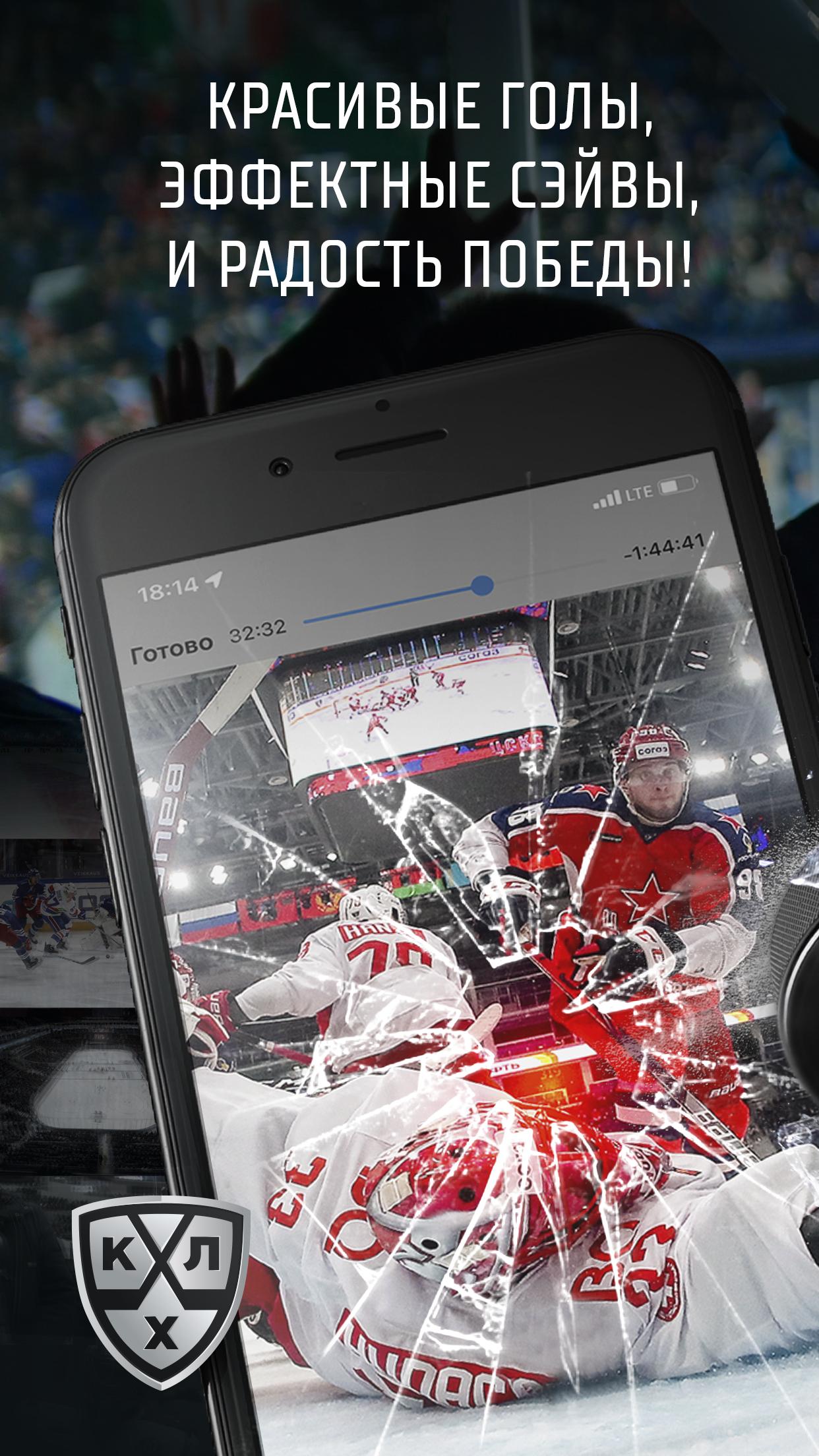
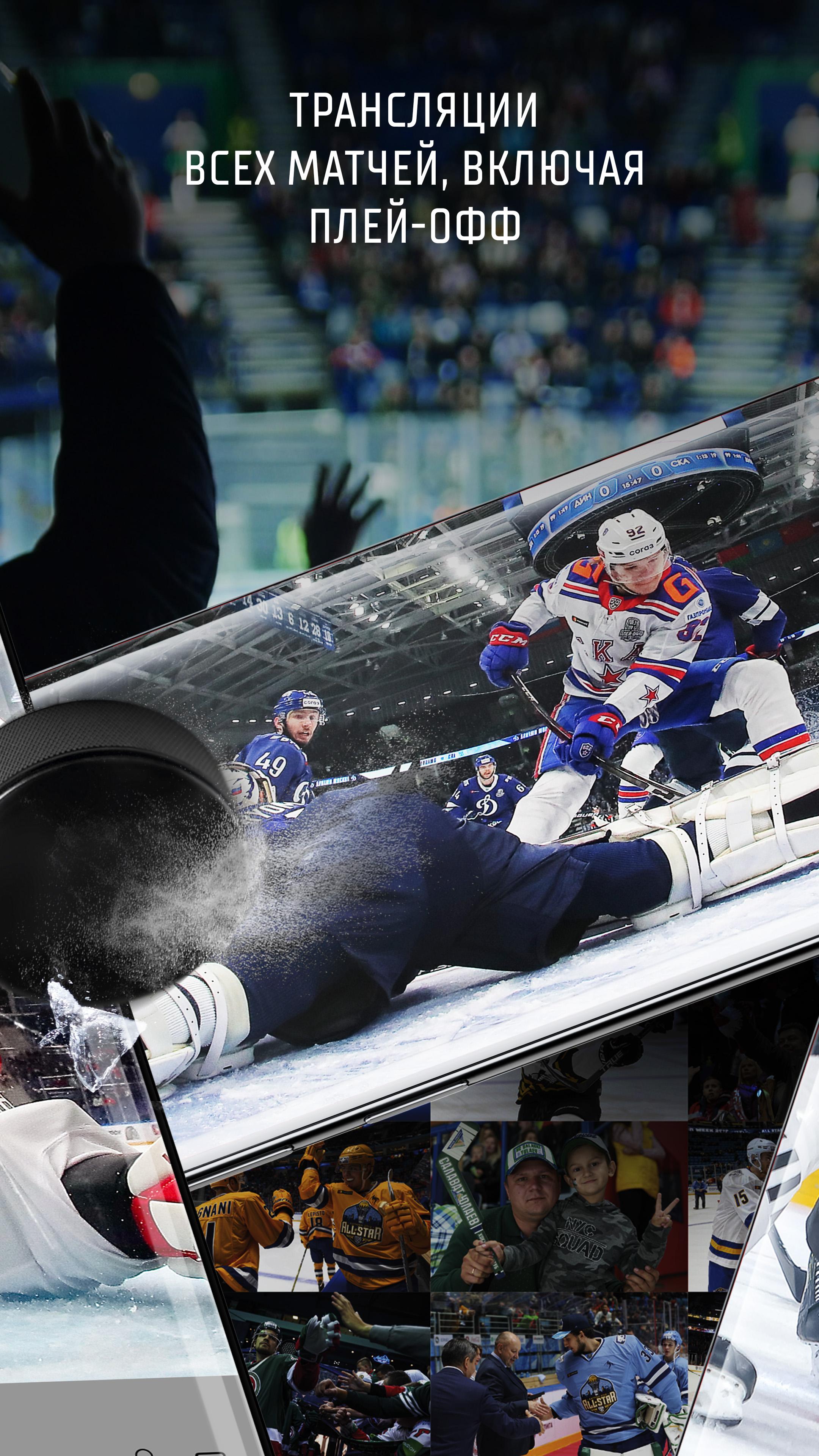

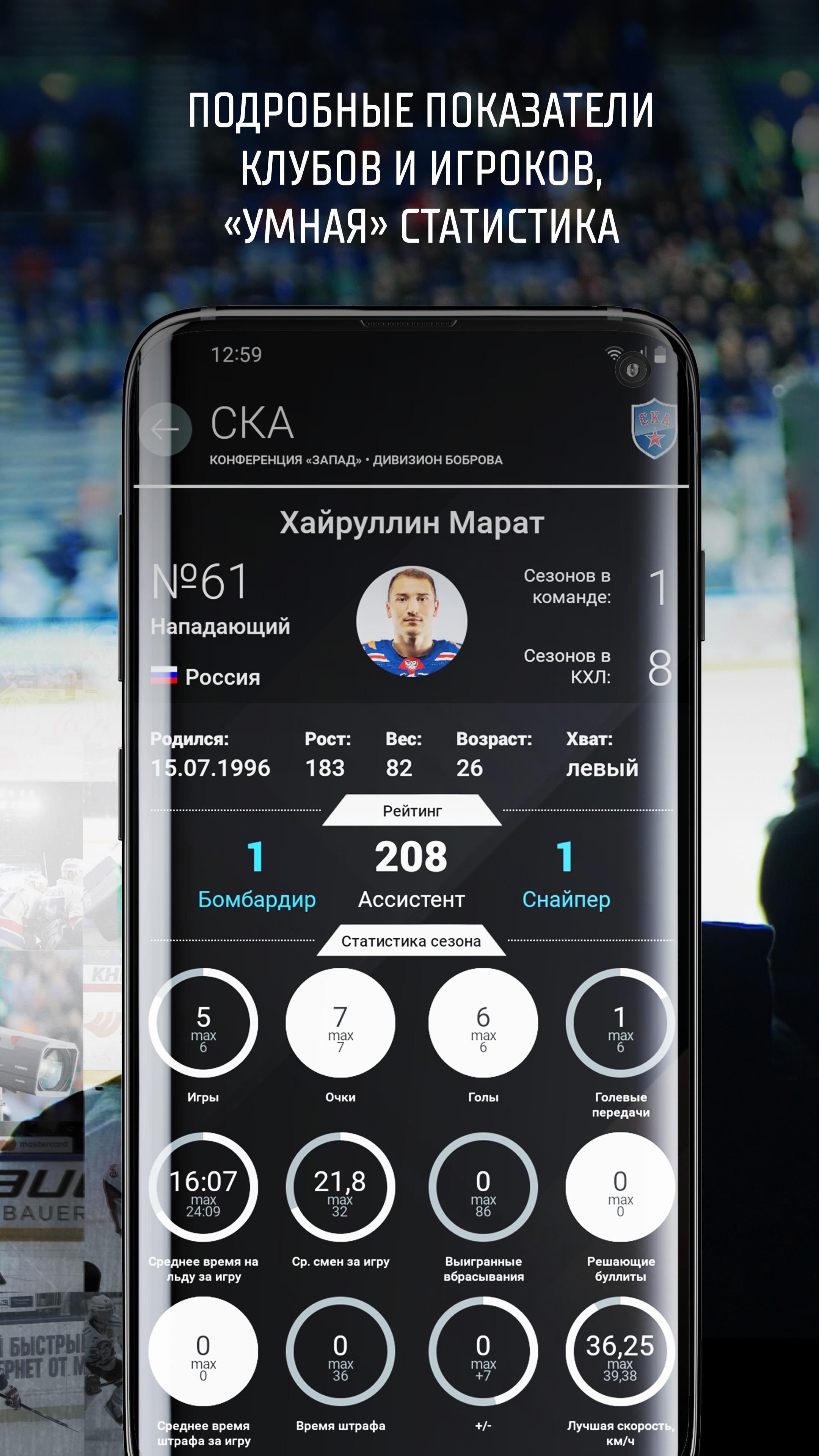
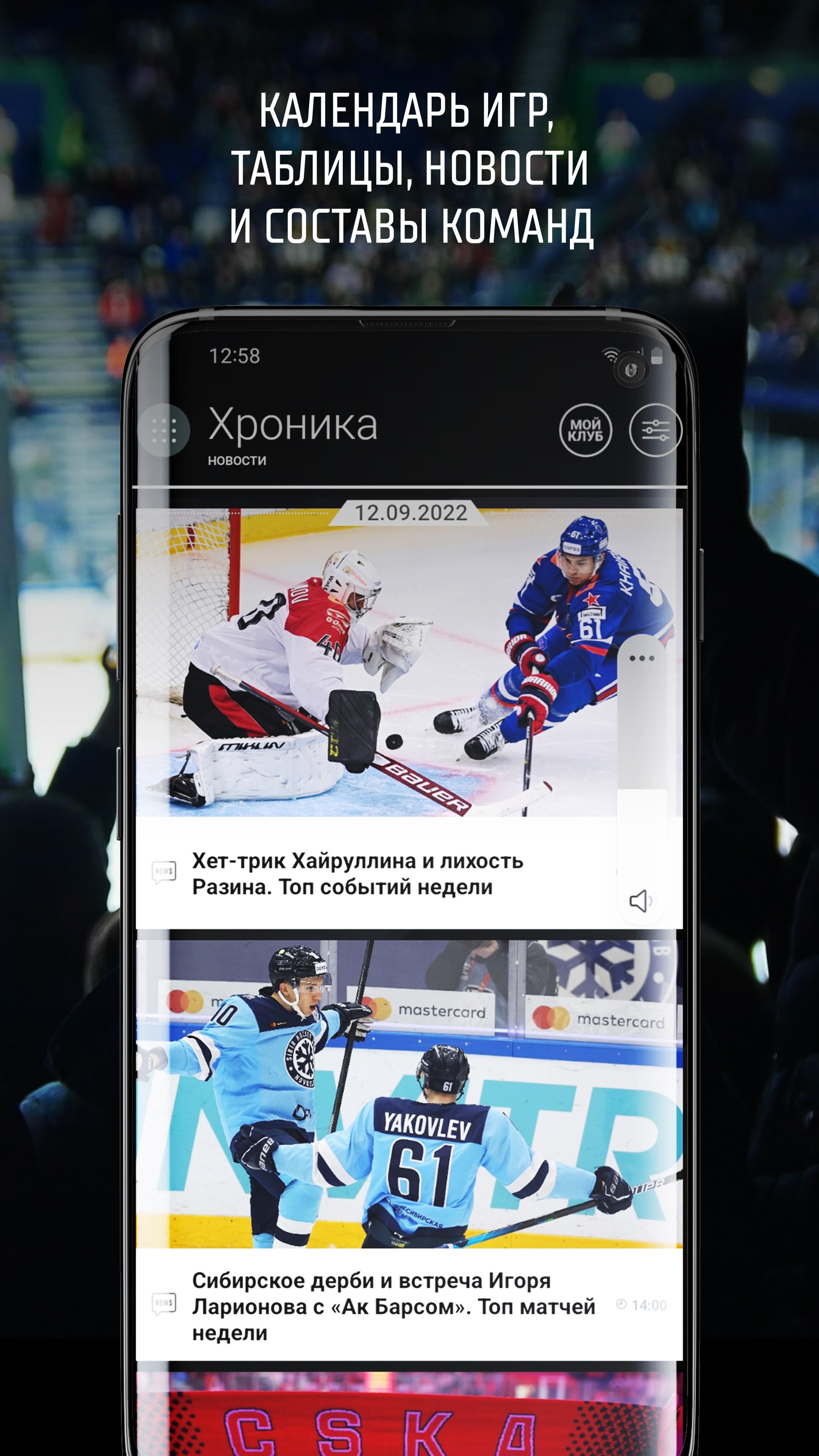
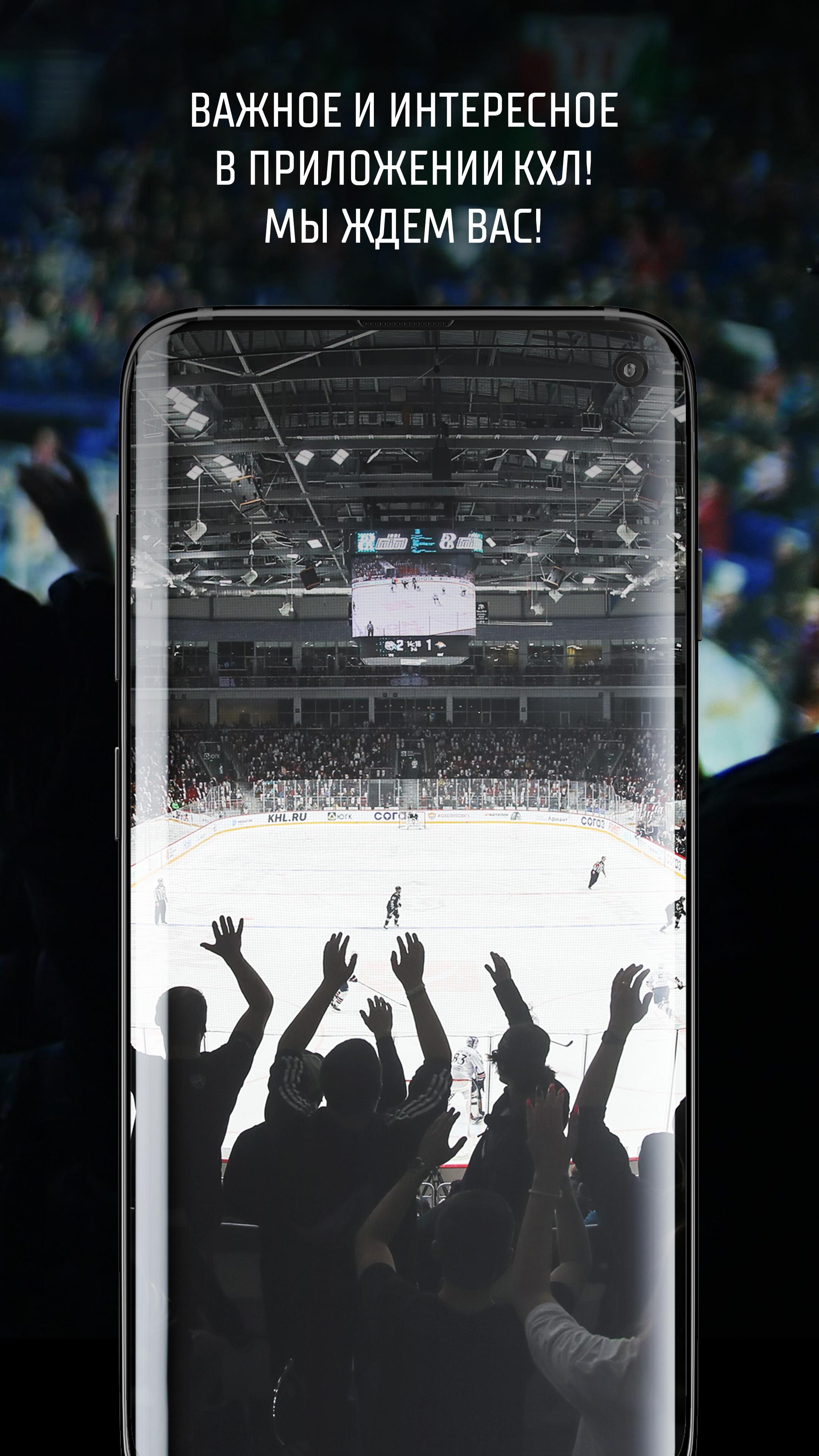
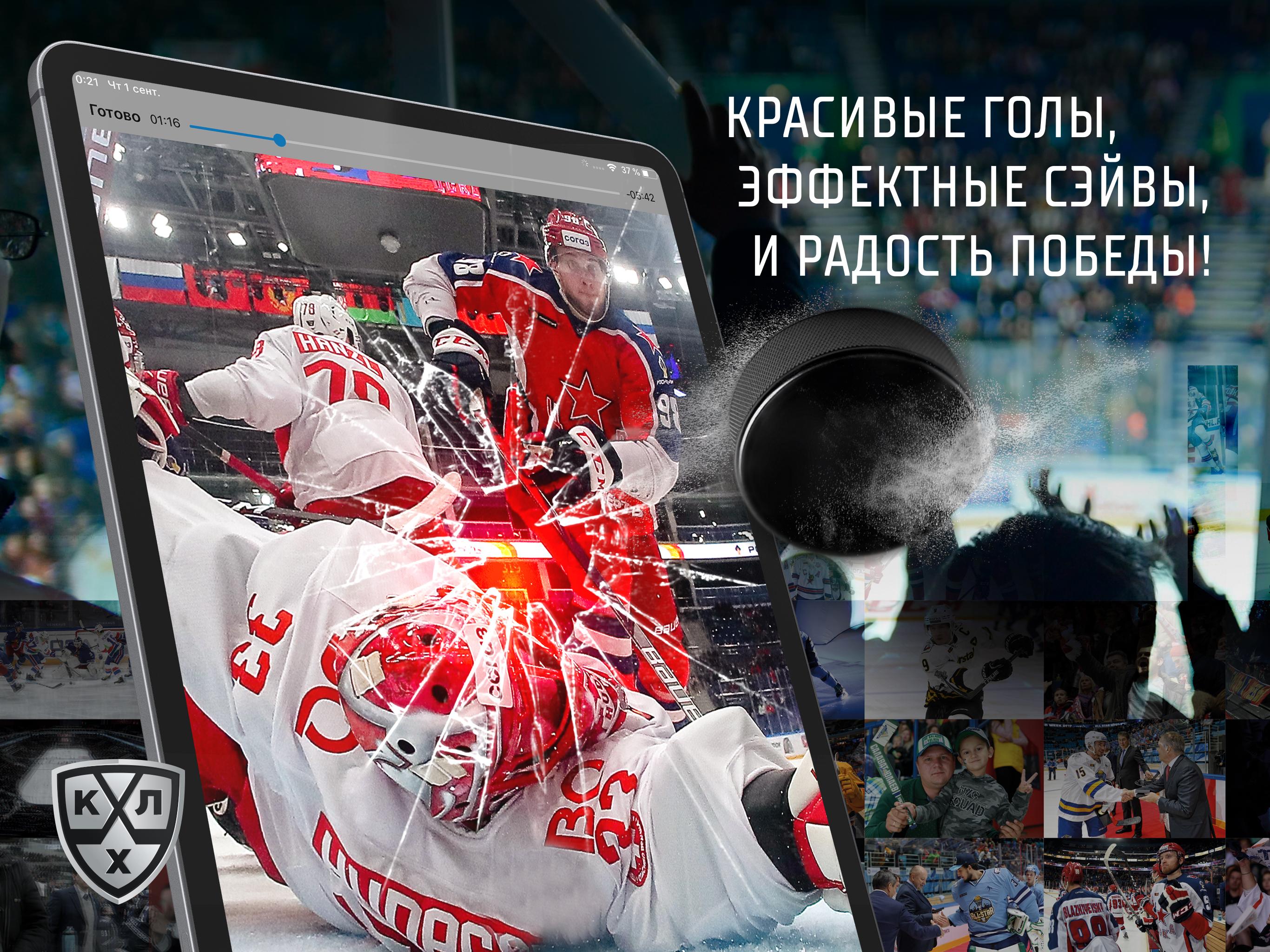
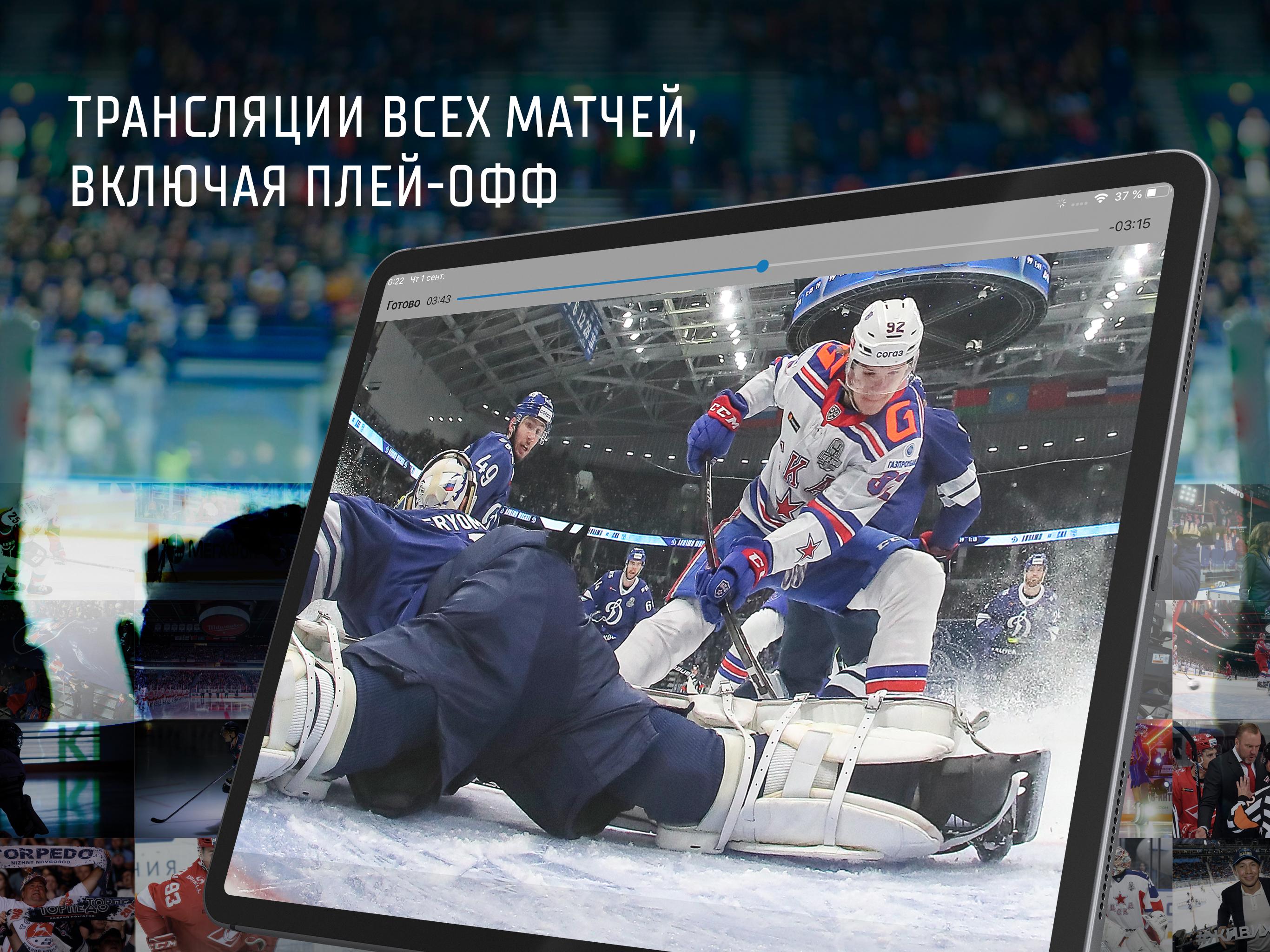
The official Android application of the Kontinental Hockey League
The app is convenient and user-friendly, with a new interface, swift info updates, and live broadcasts of key moments from games.
We make all these improvements to KHL apps just for you, so stay tuned for the latest news
You can send any requests and comments to .
What's New in the Latest Version 3.13.0
Last updated on Jul 13, 2024
Minor changes and improvements.
Kontinental Hockey League (KHL)Overview
The Kontinental Hockey League (KHL) is a professional ice hockey league that encompasses teams from Russia, Belarus, Kazakhstan, China, and Finland. Established in 2008, the KHL is the second-largest professional hockey league in the world after the National Hockey League (NHL).
Teams and Structure
The KHL currently consists of 22 teams divided into two conferences: Western and Eastern. Each conference is further divided into two divisions, with teams playing a 68-game regular season schedule. The top eight teams from each conference qualify for the playoffs, which culminate in the Gagarin Cup Finals.
History
The KHL was formed as a response to the perceived dominance of Russian teams in international ice hockey competitions. The league was intended to create a more competitive and structured environment for Russian hockey clubs and players. The inaugural KHL season took place in 2008-09, with Ak Bars Kazan claiming the first Gagarin Cup championship.
International Impact
The KHL has significantly impacted international ice hockey. Many Russian players who previously played in the NHL have returned to the KHL, bolstering the league's competitiveness. Additionally, the KHL has expanded its reach to other countries, with teams in Belarus, Kazakhstan, China, and Finland.
Player Talent
The KHL features a high level of player talent, including many former and current NHL players. The league has become a destination for Russian hockey players seeking opportunities to showcase their skills and compete for major trophies. Several KHL players have also represented their national teams at the World Championships and Olympic Games.
Financial Aspects
The KHL operates on a significant budget, with many teams backed by government funding or wealthy sponsors. The league has invested heavily in player salaries and infrastructure, resulting in a competitive and attractive environment for hockey players.
Impact on Russian Hockey
The KHL has had a profound impact on Russian hockey. The league has provided a platform for the development of young Russian players and has helped revitalize the national team program. The KHL has also played a role in increasing the popularity of ice hockey in Russia.
Challenges and Future
The KHL faces several challenges, including financial stability, geopolitical tensions, and competition from the NHL. However, the league remains committed to its mission of promoting hockey in Russia and beyond. The KHL has ambitious plans for the future, including further expansion and the establishment of a sustainable and competitive environment for hockey players and fans.
The official Android application of the Kontinental Hockey League
The app is convenient and user-friendly, with a new interface, swift info updates, and live broadcasts of key moments from games.
We make all these improvements to KHL apps just for you, so stay tuned for the latest news
You can send any requests and comments to .
What's New in the Latest Version 3.13.0
Last updated on Jul 13, 2024
Minor changes and improvements.
Kontinental Hockey League (KHL)Overview
The Kontinental Hockey League (KHL) is a professional ice hockey league that encompasses teams from Russia, Belarus, Kazakhstan, China, and Finland. Established in 2008, the KHL is the second-largest professional hockey league in the world after the National Hockey League (NHL).
Teams and Structure
The KHL currently consists of 22 teams divided into two conferences: Western and Eastern. Each conference is further divided into two divisions, with teams playing a 68-game regular season schedule. The top eight teams from each conference qualify for the playoffs, which culminate in the Gagarin Cup Finals.
History
The KHL was formed as a response to the perceived dominance of Russian teams in international ice hockey competitions. The league was intended to create a more competitive and structured environment for Russian hockey clubs and players. The inaugural KHL season took place in 2008-09, with Ak Bars Kazan claiming the first Gagarin Cup championship.
International Impact
The KHL has significantly impacted international ice hockey. Many Russian players who previously played in the NHL have returned to the KHL, bolstering the league's competitiveness. Additionally, the KHL has expanded its reach to other countries, with teams in Belarus, Kazakhstan, China, and Finland.
Player Talent
The KHL features a high level of player talent, including many former and current NHL players. The league has become a destination for Russian hockey players seeking opportunities to showcase their skills and compete for major trophies. Several KHL players have also represented their national teams at the World Championships and Olympic Games.
Financial Aspects
The KHL operates on a significant budget, with many teams backed by government funding or wealthy sponsors. The league has invested heavily in player salaries and infrastructure, resulting in a competitive and attractive environment for hockey players.
Impact on Russian Hockey
The KHL has had a profound impact on Russian hockey. The league has provided a platform for the development of young Russian players and has helped revitalize the national team program. The KHL has also played a role in increasing the popularity of ice hockey in Russia.
Challenges and Future
The KHL faces several challenges, including financial stability, geopolitical tensions, and competition from the NHL. However, the league remains committed to its mission of promoting hockey in Russia and beyond. The KHL has ambitious plans for the future, including further expansion and the establishment of a sustainable and competitive environment for hockey players and fans.