

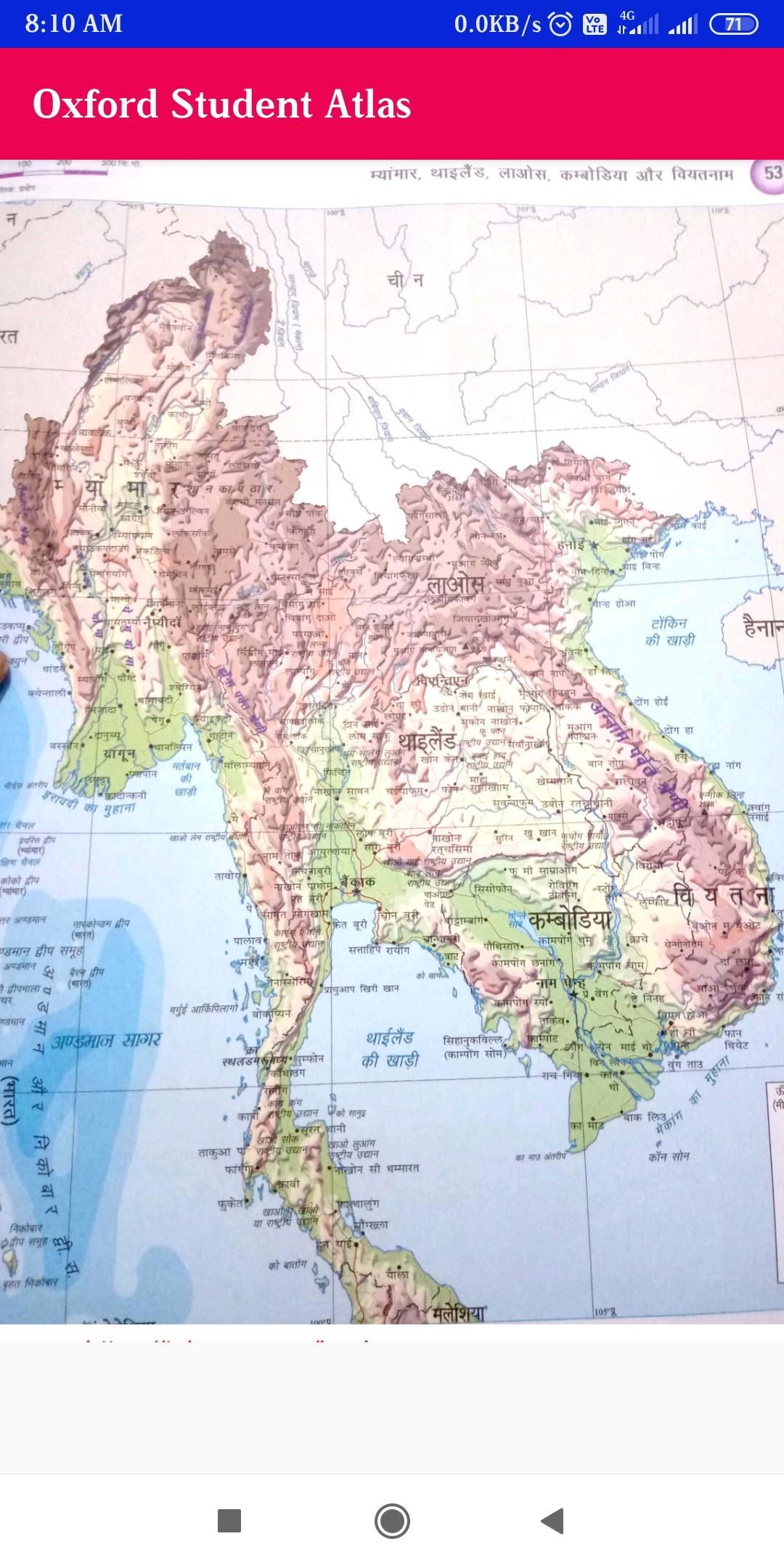
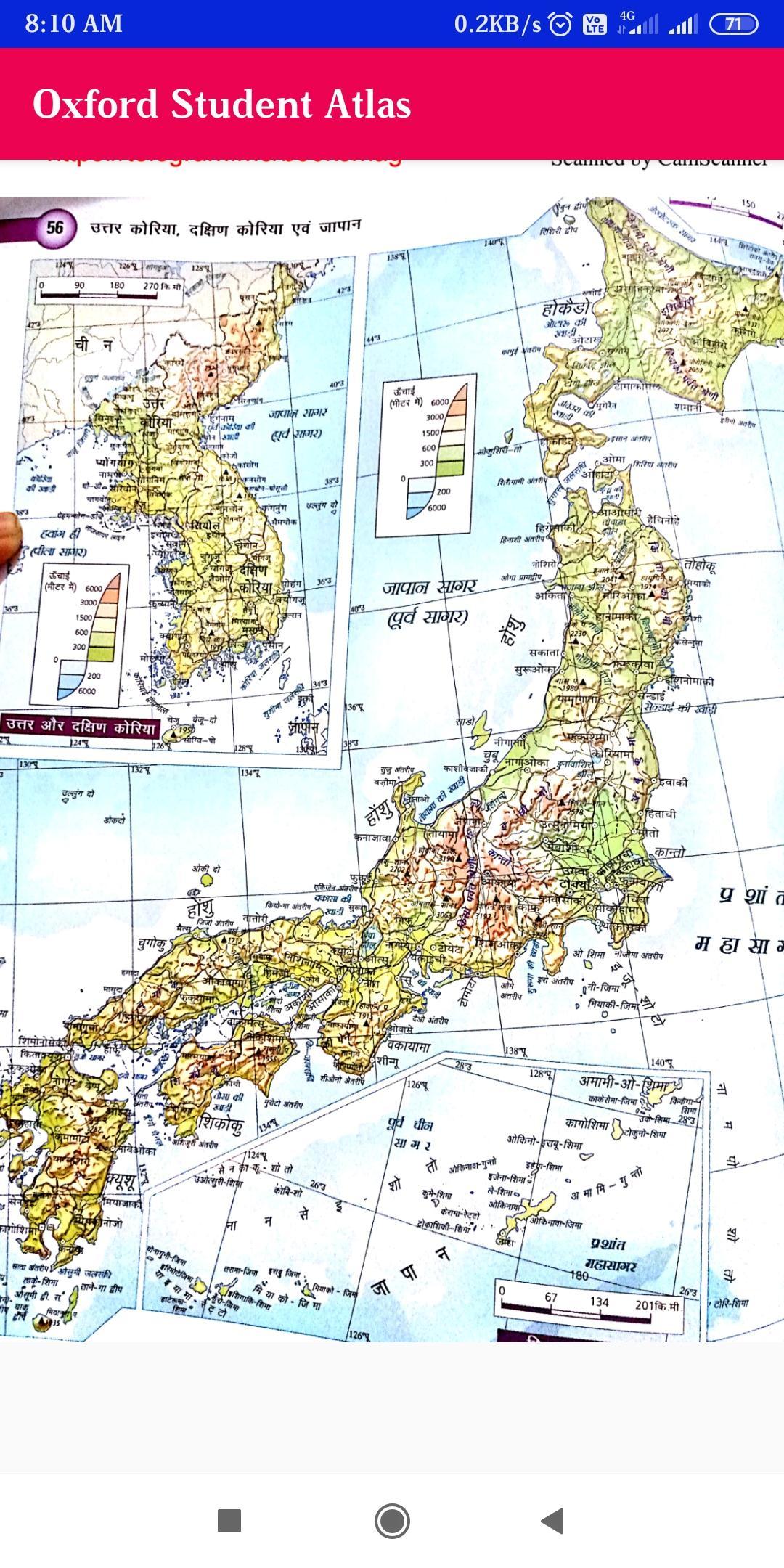
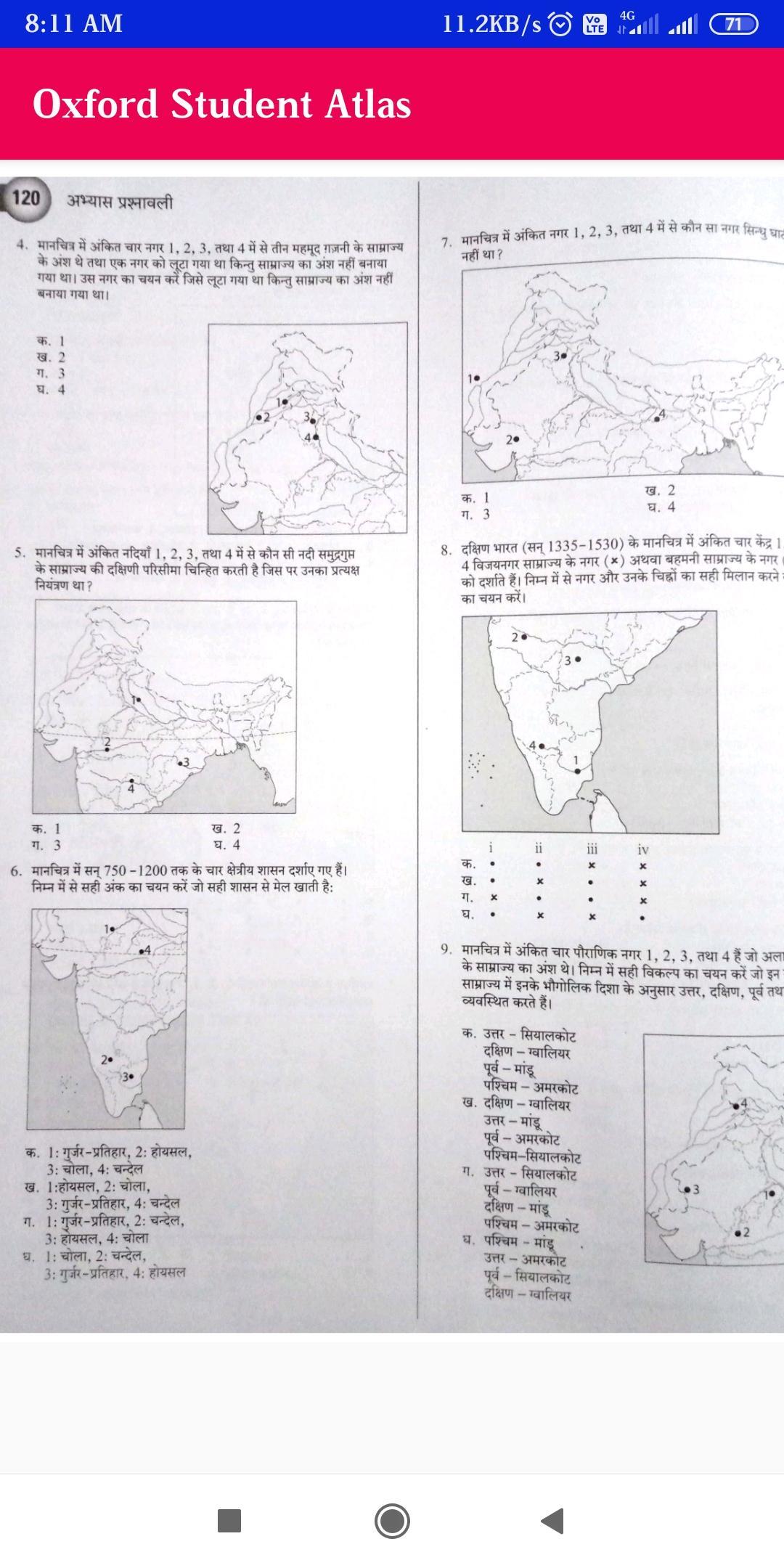
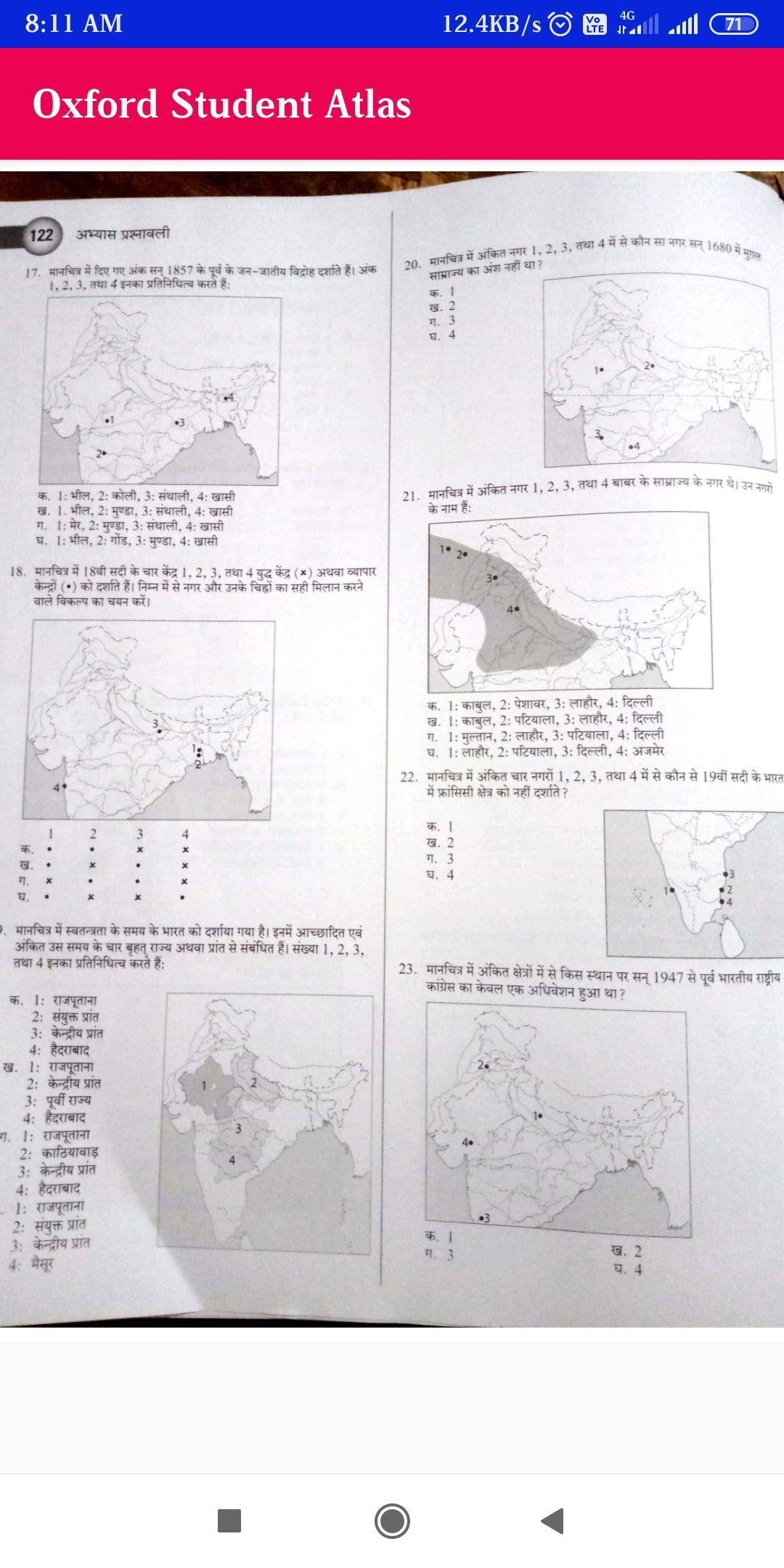
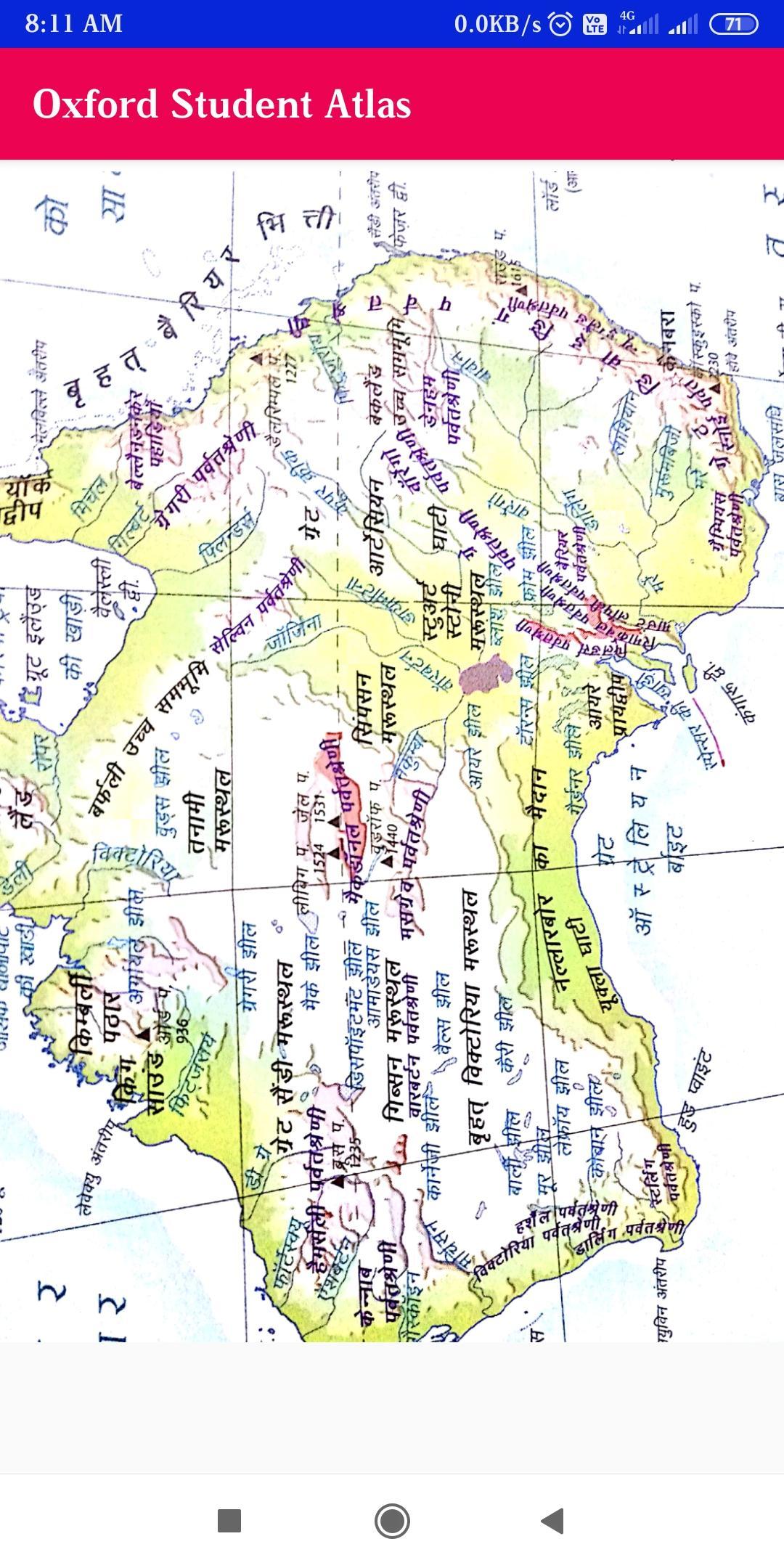
Oxford Student Atlas Book in Hindi
Oxford Student Atlas of Maps
ALL THE CHAPTER RELATED TO THIS BOOK HAVE BEEN TOLD IN Oxford Student Atlas Book in English BOOK APP.THIS BOOK IS VERY USEFUL FOR EVERY COMPETITIVE EXAM.
Student Atlas for IndiaGeography and Physical Features
India, a vast and diverse nation, is home to a myriad of geographical features. The Student Atlas for India provides detailed maps and information on the country's topography, climate, and natural resources.
The Himalayas, the world's highest mountain range, form a majestic barrier along India's northern border. The Deccan Plateau, a large triangular plateau, occupies the southern part of the country. The Ganges River, one of the longest in the world, flows through the northern plains and is a lifeline for millions of people.
India's climate varies from tropical in the south to temperate in the north. The monsoon season, which occurs from June to September, brings heavy rainfall to much of the country. India is also rich in natural resources, including coal, iron ore, and oil.
States and Union Territories
The Student Atlas for India provides maps and information on all 28 states and 8 union territories that make up the Indian Union. Each state and union territory has its own unique geography, history, and culture.
The largest state is Rajasthan, located in the northwest, while the smallest is Goa, located on the west coast. The most populous state is Uttar Pradesh, home to over 200 million people, while the least populous is Sikkim, with a population of just over half a million.
Cities and Towns
The Student Atlas for India includes maps and information on major cities and towns throughout the country. New Delhi, the capital, is located in the north and is a major political and economic center. Mumbai, formerly known as Bombay, is the financial capital of India and is located on the west coast.
Other important cities include Kolkata (formerly Calcutta), Chennai (formerly Madras), and Bangalore (formerly Bengaluru). These cities are home to large populations and are important centers of commerce, industry, and culture.
Transportation and Infrastructure
The Student Atlas for India provides information on the country's transportation and infrastructure. India has a vast network of roads, railways, and airports. The Indian Railways is one of the largest railway networks in the world.
India is also investing heavily in infrastructure development, including the construction of new highways, bridges, and ports. These projects are aimed at improving connectivity and boosting economic growth.
Education and Healthcare
The Student Atlas for India provides information on the country's education and healthcare systems. India has a large and diverse education system, with over 1.5 million schools and universities. The literacy rate has increased significantly in recent years, but there are still disparities between urban and rural areas.
India's healthcare system is a mix of public and private providers. The government provides free healthcare to the poor and vulnerable, while private healthcare is available to those who can afford it. The quality of healthcare varies widely, with urban areas having better access to facilities and specialists.
Conclusion
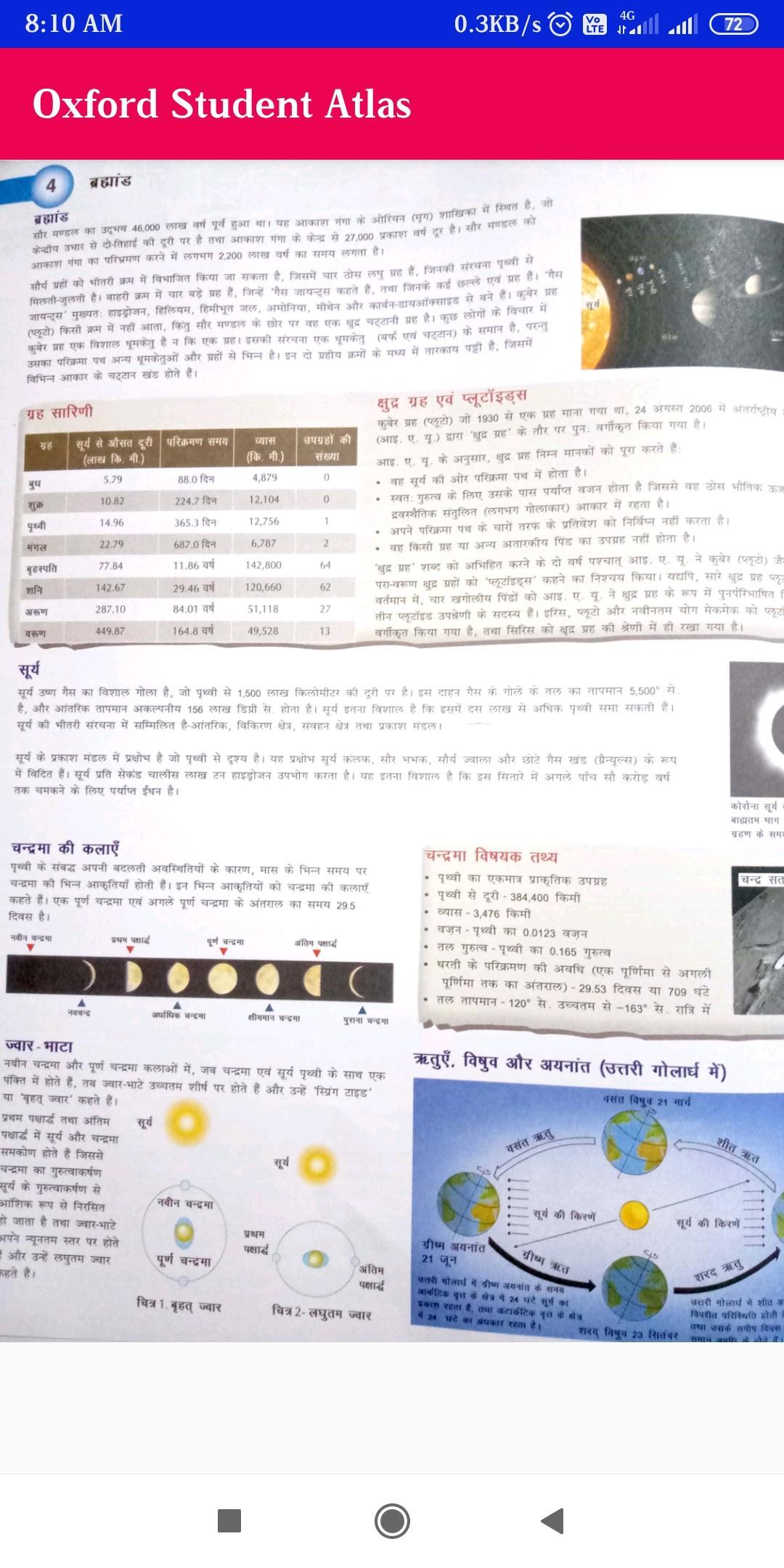
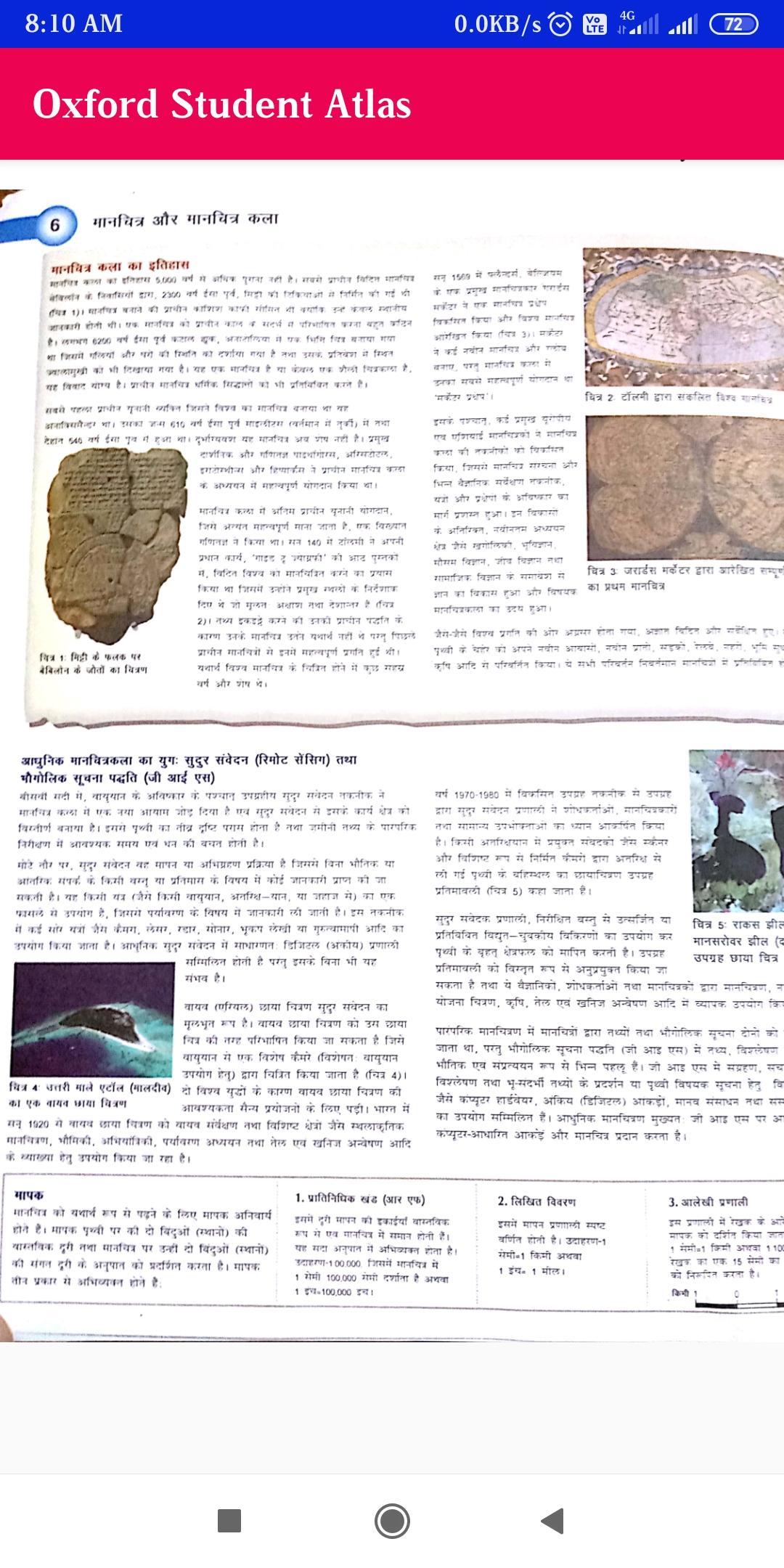
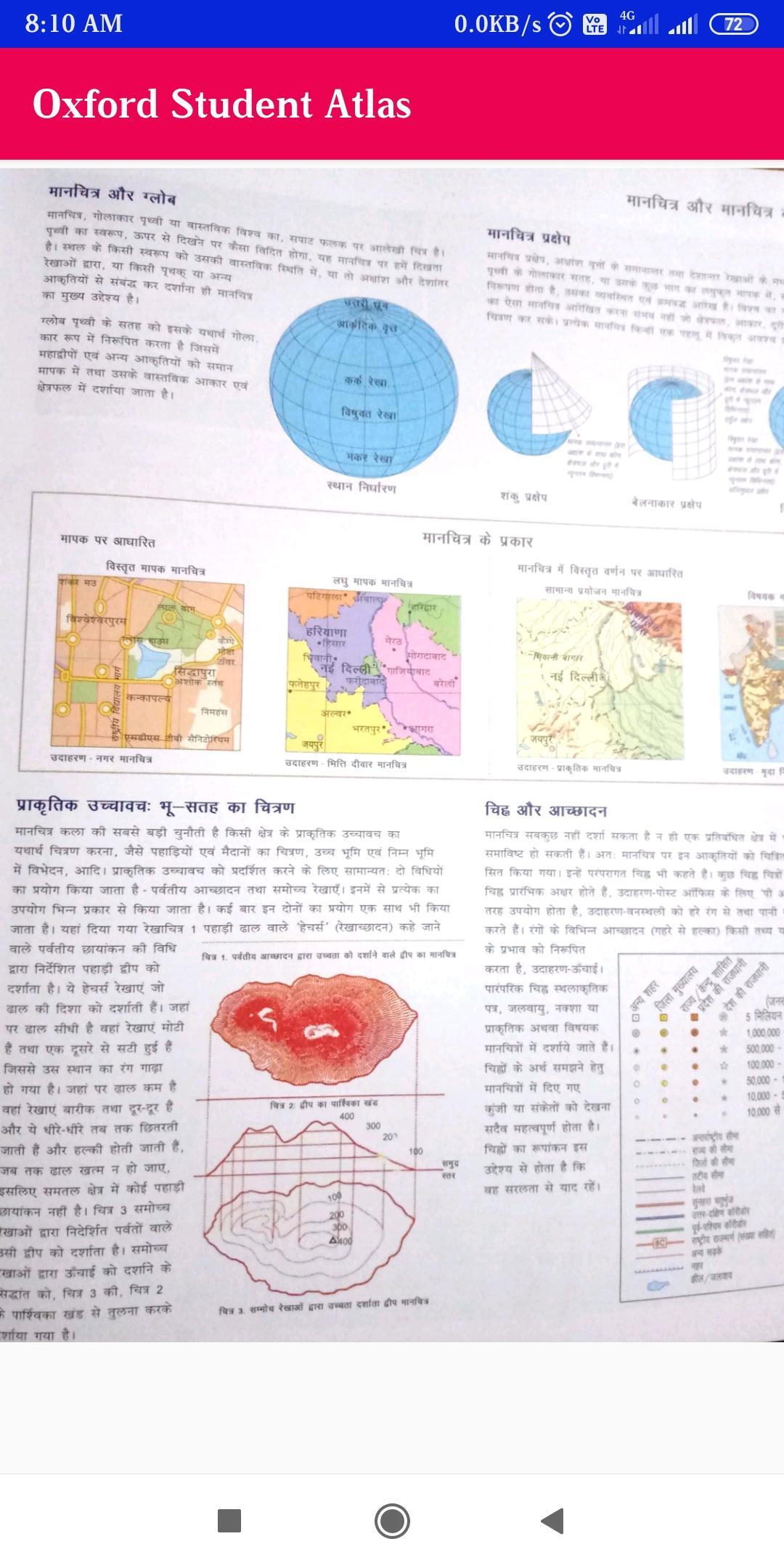
The Student Atlas for India is a comprehensive resource for students and anyone interested in learning more about the geography, history, and culture of this fascinating country. With its detailed maps, informative text, and engaging visuals, the atlas provides a valuable tool for understanding the complexities of India.
Oxford Student Atlas Book in Hindi
Oxford Student Atlas of Maps
ALL THE CHAPTER RELATED TO THIS BOOK HAVE BEEN TOLD IN Oxford Student Atlas Book in English BOOK APP.THIS BOOK IS VERY USEFUL FOR EVERY COMPETITIVE EXAM.
Student Atlas for IndiaGeography and Physical Features
India, a vast and diverse nation, is home to a myriad of geographical features. The Student Atlas for India provides detailed maps and information on the country's topography, climate, and natural resources.
The Himalayas, the world's highest mountain range, form a majestic barrier along India's northern border. The Deccan Plateau, a large triangular plateau, occupies the southern part of the country. The Ganges River, one of the longest in the world, flows through the northern plains and is a lifeline for millions of people.
India's climate varies from tropical in the south to temperate in the north. The monsoon season, which occurs from June to September, brings heavy rainfall to much of the country. India is also rich in natural resources, including coal, iron ore, and oil.
States and Union Territories
The Student Atlas for India provides maps and information on all 28 states and 8 union territories that make up the Indian Union. Each state and union territory has its own unique geography, history, and culture.
The largest state is Rajasthan, located in the northwest, while the smallest is Goa, located on the west coast. The most populous state is Uttar Pradesh, home to over 200 million people, while the least populous is Sikkim, with a population of just over half a million.
Cities and Towns
The Student Atlas for India includes maps and information on major cities and towns throughout the country. New Delhi, the capital, is located in the north and is a major political and economic center. Mumbai, formerly known as Bombay, is the financial capital of India and is located on the west coast.
Other important cities include Kolkata (formerly Calcutta), Chennai (formerly Madras), and Bangalore (formerly Bengaluru). These cities are home to large populations and are important centers of commerce, industry, and culture.
Transportation and Infrastructure
The Student Atlas for India provides information on the country's transportation and infrastructure. India has a vast network of roads, railways, and airports. The Indian Railways is one of the largest railway networks in the world.
India is also investing heavily in infrastructure development, including the construction of new highways, bridges, and ports. These projects are aimed at improving connectivity and boosting economic growth.
Education and Healthcare
The Student Atlas for India provides information on the country's education and healthcare systems. India has a large and diverse education system, with over 1.5 million schools and universities. The literacy rate has increased significantly in recent years, but there are still disparities between urban and rural areas.
India's healthcare system is a mix of public and private providers. The government provides free healthcare to the poor and vulnerable, while private healthcare is available to those who can afford it. The quality of healthcare varies widely, with urban areas having better access to facilities and specialists.
Conclusion
The Student Atlas for India is a comprehensive resource for students and anyone interested in learning more about the geography, history, and culture of this fascinating country. With its detailed maps, informative text, and engaging visuals, the atlas provides a valuable tool for understanding the complexities of India.