



Shivananda Lahari in Hindi,Telugu,Kannada,Tamil,Malayalam,English
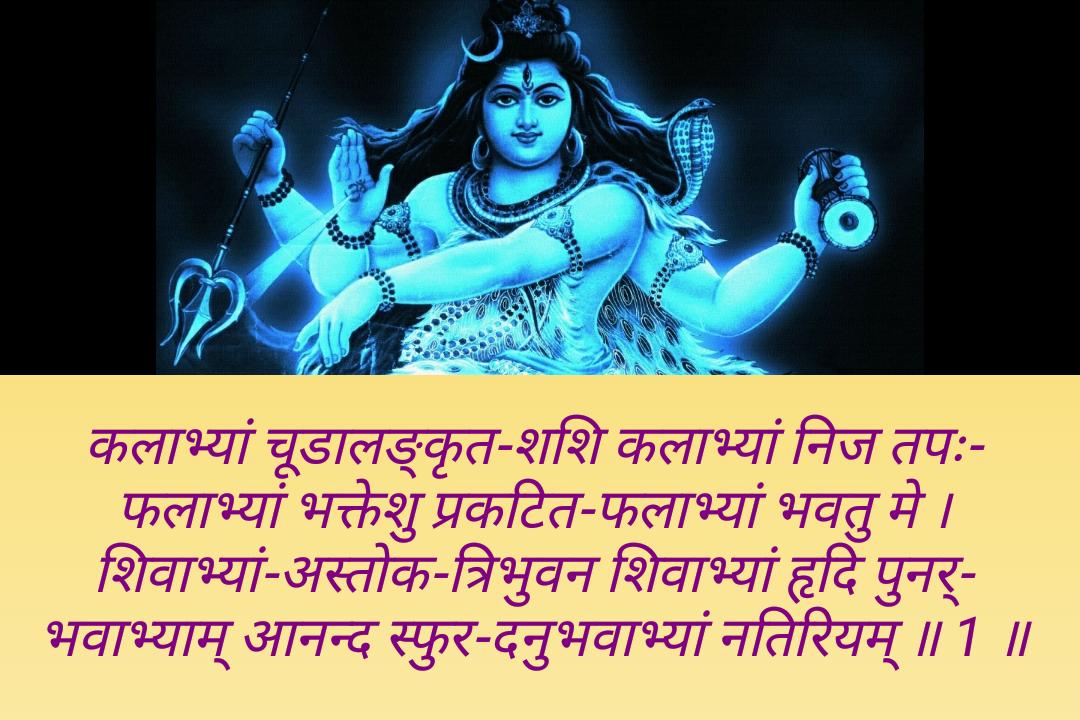
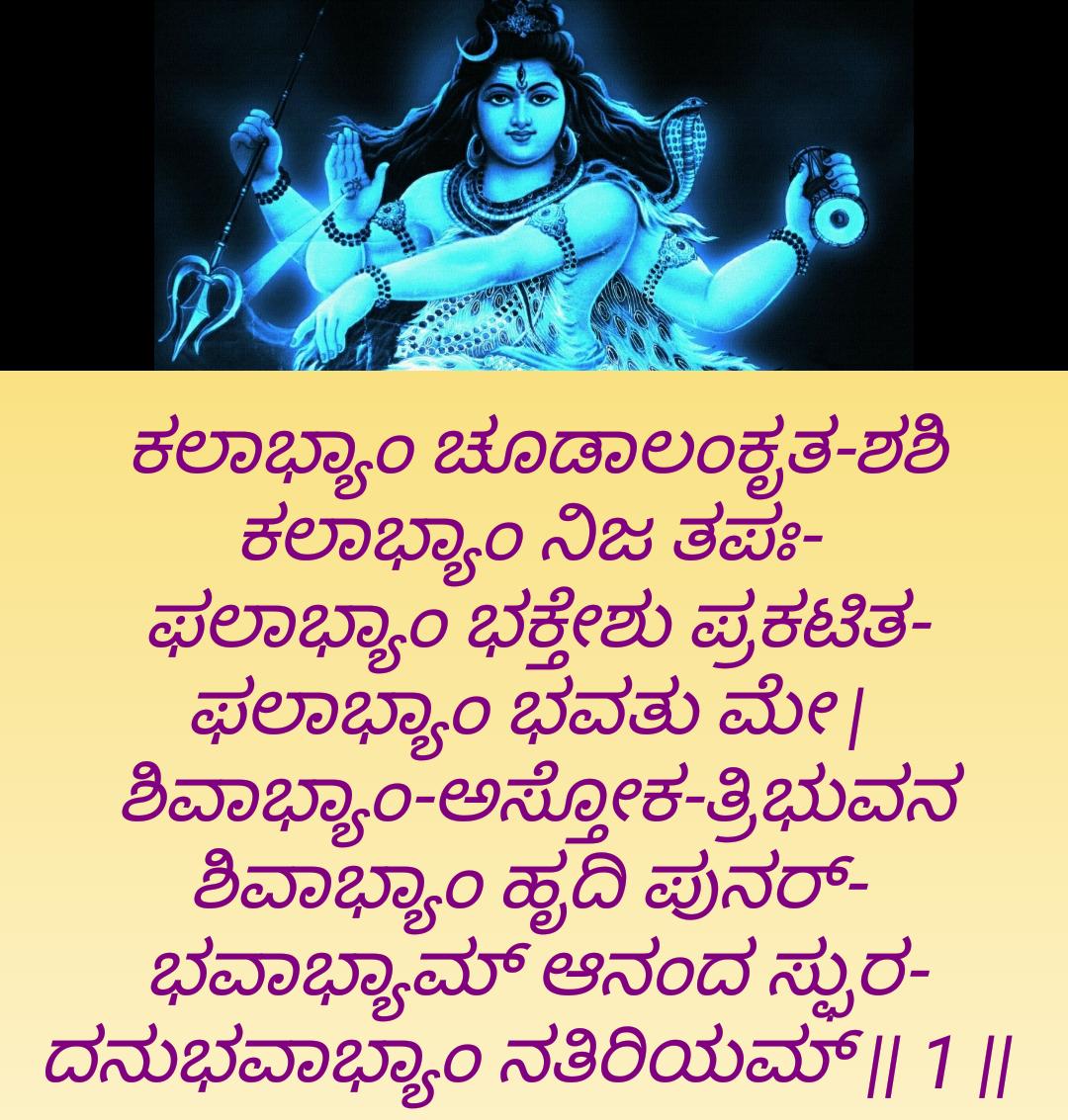
Shivananda Lahari is a devotional hymn composed by Adi Shankara, the 8th-century Advaita philosopher, on Shiva.
It literally means Wave of Auspicious Bliss.
It consists of one hundred stanzas of Sanskrit poetry in various chandas (metres).
It was composed by Adi Shankara while staying in Srisailam.
It begins with an ode to Mallikarjuna and Bhramarambika, the deities at Srisailam.
This app has Shivananda Lahari in
Hindi,Telugu,Tamil,Kannada,Malayalam,English
What's New in the Latest Version 1.3.2
Last updated on Jul 15, 2024
Minor bug fixes and improvements. Install or update to the newest version to check it out!
Shivananda Lahari: A Divine Hymn of Shiva's Ecstatic DanceContent:
Shivananda Lahari, composed by the revered sage Adi Shankara, is a Sanskrit hymn that encapsulates the essence of Shiva's cosmic dance and its transformative power. The term "Shivananda" translates to "the waves of bliss that emanate from Shiva," capturing the rapturous nature of the hymn.
Shiva's Dance:
At the heart of the Shivananda Lahari lies Shiva's cosmic dance, known as the Tandava. This dance is not merely a physical movement but a profound manifestation of the divine play of creation, preservation, and dissolution. Through his dance, Shiva embodies the eternal cycle of life, death, and rebirth.
Waves of Bliss:
As Shiva dances, he emits waves of ecstatic bliss that permeate the universe. These waves are experienced as a profound sense of joy, peace, and liberation. The hymn describes the effects of these waves on the devotee, bringing about a dissolution of the ego and a deep connection with the divine.
Invocation and Praise:
The Shivananda Lahari begins with an invocation to Shiva, recognizing his supreme power and grace. Shankara extols Shiva's qualities as the creator, protector, and destroyer, as well as his role as the embodiment of consciousness and bliss.
Description of the Dance:
The hymn vividly portrays Shiva's dance, describing the movements of his limbs, the rhythm of his steps, and the beauty of his form. Shankara captures the awe-inspiring nature of the Tandava, emphasizing its power to shatter illusions and liberate the soul.
Effects on the Devotee:
The Shivananda Lahari describes the transformative effects of Shiva's dance on the devotee. The waves of bliss dissolve the bonds of ignorance and attachment, leading to a state of pure consciousness. The hymn also speaks of the dance's ability to awaken the kundalini energy and grant mystical experiences.
Conclusion:
The Shivananda Lahari is a profound and evocative hymn that celebrates the divine ecstasy of Shiva's cosmic dance. It serves as a reminder of the transformative power of the divine and the potential for spiritual liberation through devotion and surrender to Shiva.
Shivananda Lahari in Hindi,Telugu,Kannada,Tamil,Malayalam,English
Shivananda Lahari is a devotional hymn composed by Adi Shankara, the 8th-century Advaita philosopher, on Shiva.
It literally means Wave of Auspicious Bliss.
It consists of one hundred stanzas of Sanskrit poetry in various chandas (metres).
It was composed by Adi Shankara while staying in Srisailam.
It begins with an ode to Mallikarjuna and Bhramarambika, the deities at Srisailam.
This app has Shivananda Lahari in
Hindi,Telugu,Tamil,Kannada,Malayalam,English
What's New in the Latest Version 1.3.2
Last updated on Jul 15, 2024
Minor bug fixes and improvements. Install or update to the newest version to check it out!
Shivananda Lahari: A Divine Hymn of Shiva's Ecstatic DanceContent:
Shivananda Lahari, composed by the revered sage Adi Shankara, is a Sanskrit hymn that encapsulates the essence of Shiva's cosmic dance and its transformative power. The term "Shivananda" translates to "the waves of bliss that emanate from Shiva," capturing the rapturous nature of the hymn.
Shiva's Dance:
At the heart of the Shivananda Lahari lies Shiva's cosmic dance, known as the Tandava. This dance is not merely a physical movement but a profound manifestation of the divine play of creation, preservation, and dissolution. Through his dance, Shiva embodies the eternal cycle of life, death, and rebirth.
Waves of Bliss:
As Shiva dances, he emits waves of ecstatic bliss that permeate the universe. These waves are experienced as a profound sense of joy, peace, and liberation. The hymn describes the effects of these waves on the devotee, bringing about a dissolution of the ego and a deep connection with the divine.
Invocation and Praise:
The Shivananda Lahari begins with an invocation to Shiva, recognizing his supreme power and grace. Shankara extols Shiva's qualities as the creator, protector, and destroyer, as well as his role as the embodiment of consciousness and bliss.
Description of the Dance:
The hymn vividly portrays Shiva's dance, describing the movements of his limbs, the rhythm of his steps, and the beauty of his form. Shankara captures the awe-inspiring nature of the Tandava, emphasizing its power to shatter illusions and liberate the soul.
Effects on the Devotee:
The Shivananda Lahari describes the transformative effects of Shiva's dance on the devotee. The waves of bliss dissolve the bonds of ignorance and attachment, leading to a state of pure consciousness. The hymn also speaks of the dance's ability to awaken the kundalini energy and grant mystical experiences.
Conclusion:
The Shivananda Lahari is a profound and evocative hymn that celebrates the divine ecstasy of Shiva's cosmic dance. It serves as a reminder of the transformative power of the divine and the potential for spiritual liberation through devotion and surrender to Shiva.